
96 hr
4-Day Nile River Cruise: Aswan to Luxor
Sail the Nile in 5-star comfort with a private Egyptologist guide exploring ancient temples and royal tombs
Reserve
Hand-picked by our editors — only the best 5 voyages from 14 operators reviewed.
Verified partners for every tour, free cancellation where available, and instant confirmation on every booking.
96 hr
Sail the Nile in 5-star comfort with a private Egyptologist guide exploring ancient temples and royal tombs
Reserve
96 hr
Sail the Nile in luxury while exploring Egypt's iconic temples, soaring over Luxor at sunrise, and visiting Ramses II's Abu Simbel masterpiece.
Reserve
72 hr
Multi-day river voyage featuring ancient temples, balloon flight, and full-board dining aboard a luxury vessel
ReservePrices from verified partners. Availability updates in real time at checkout. Free cancellation policies apply where shown.
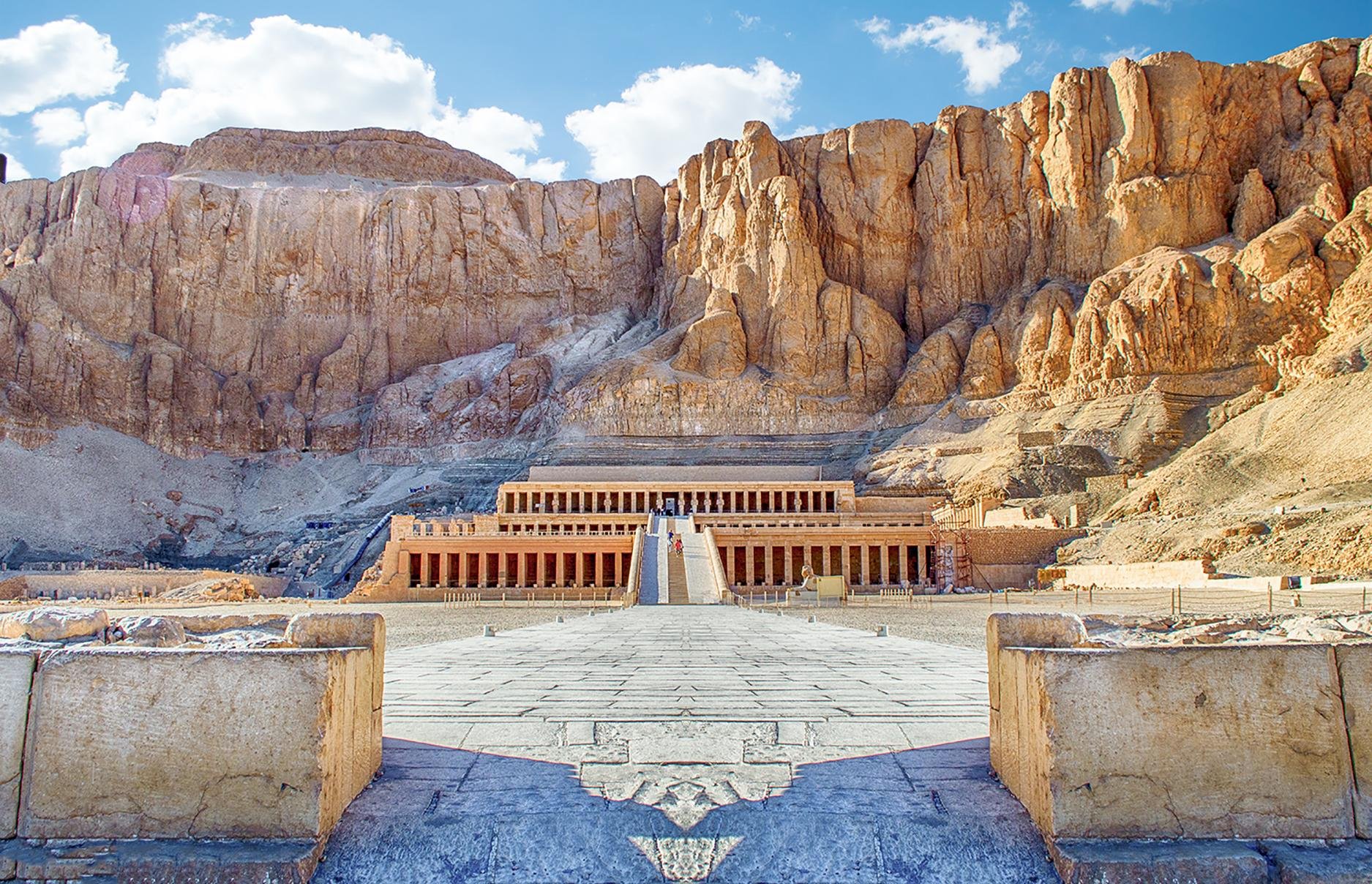
The landmarks, rooms, and views travelers on this tour remember — all visible on a single visit.
One of the largest temple complexes globally, featuring the massive Hypostyle Hall with 134 columns.
Karnak Temple
The final resting place of New Kingdom pharaohs, home to the tomb of Tutankhamun.
Valley of the Kings
The best-preserved ancient temple in Egypt, dedicated to the falcon god Horus.
Edfu Temple
A unique double temple dedicated to Sobek and Haroeris, offering scenic Nile views.
Temple of Kom Ombo
A stunning island temple dedicated to the goddess Isis, relocated due to the High Dam.
Philae Temple
They complement each other; most visitors who do both call the cruise more immersive for observing pharaonic landmarks from the water, while land travel allows for greater flexibility. Choosing the right nile cruise luxor to aswan tour ensures you witness riverside landscapes at your own rhythm.
| Feature | Top pick Nile Cruise | Land-Based Tour |
|---|---|---|
Level of Immersion |
Full riverine focus | High city cultural focus |
Travel Pace |
Relaxed floating transit | Variable rapid transit |
Cost Predictability |
High all-inclusive model | Lower fragmented expenditure |
Sightseeing Access |
Direct bankside monument docking | Variable road access requirements |
Comfort Levels |
Continuous stationary cabin | Frequent hotel checking changes |
| See tickets → |
Verdict: Opt for nile cruise luxor to aswan tickets if you prefer a seamless, river-focused journey, or select land-based nile cruise luxor to aswan tours to prioritize independent exploration of local history.
Choose your ticket, select your date, and reserve in under two minutes. Secure checkout handled by our verified partner.
Instant confirmation by email, with a mobile voucher you can save offline. No printing, no queuing at a collection desk.
Arrive at the entrance, show your voucher on your phone, and walk in. Most tickets include priority or skip-the-line access.
Practical details for your visit straight from our verified partners — hours, access, rules, and how to get there.
Casual attire is suitable for daytime on board. Modest clothing covering shoulders and knees is recommended for shore excursions to temples, while smart-casual wear is expected for evening dining.
Secure your valuables in ship safes and keep passports in carry-on luggage for immigration checks. Large bags for excursions should be soft-sided for easy storage in transport vehicles.
Photography is permitted in most areas, though restrictions apply inside specific tombs and museum galleries. Ask your guide about designated photo permits at historical sites.
Modern ships generally offer elevators and ramps, but smaller vessels may have limited accessibility. Always request a deck plan and confirm cabin requirements with your operator before booking.
Family-friendly cruises offer swimming pools and supervised activities. Choose ships with spacious decks to keep children engaged during transit periods between historic monuments.
Cruises operate on a full-board basis, providing buffet or a la carte Egyptian and international cuisine. Drink packages are often separate; confirm inclusions with your cruise operator.
Best time to go, insider tips, nearby landmarks, and the cancellation fine print — flip through to skim what matters to you.
Flexible, no hidden fees.
Cruises are commercially operated travel services with specific provider terms. Contact your operator for refund windows regarding the 0 EGP entrance fee-exempt travel services.
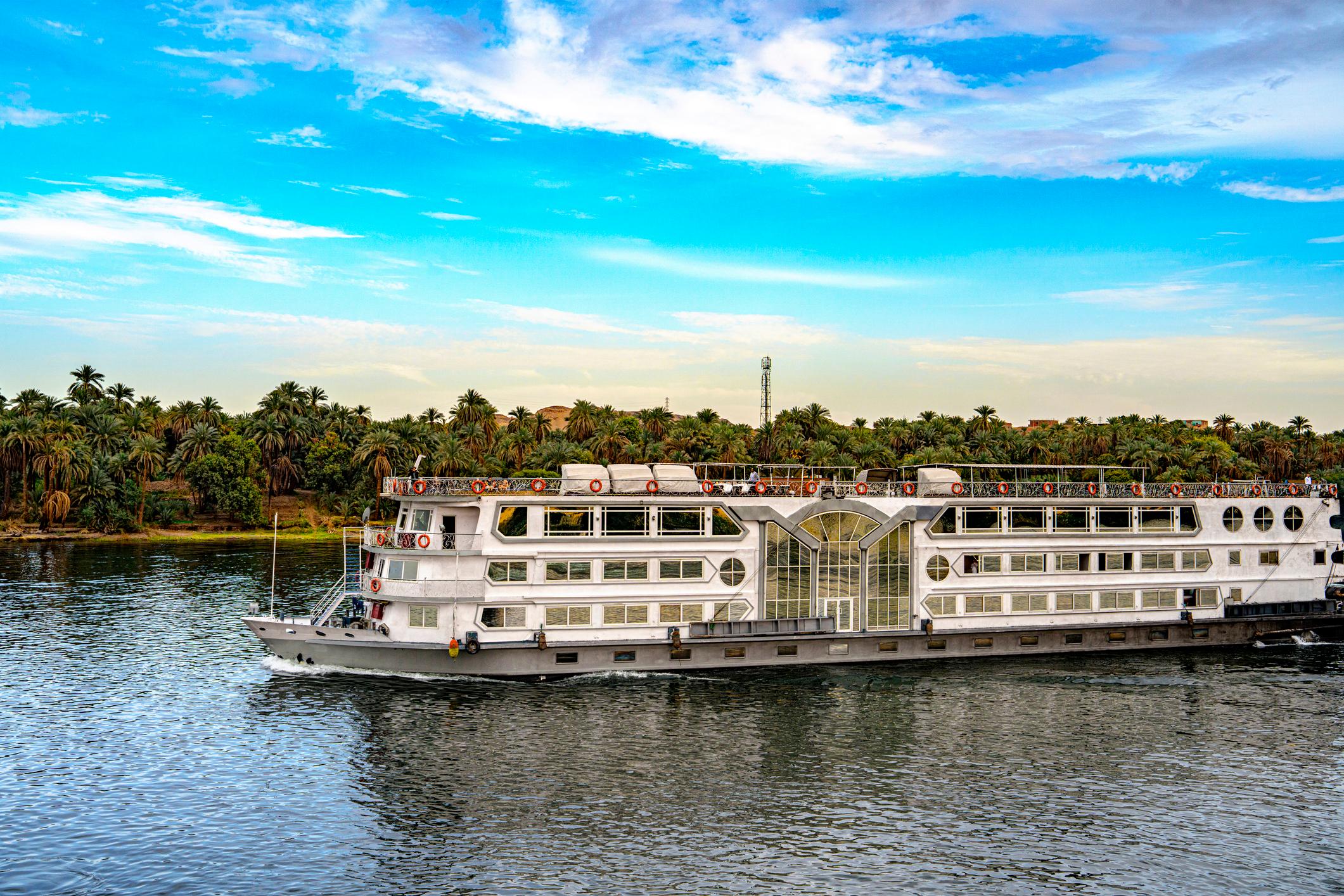
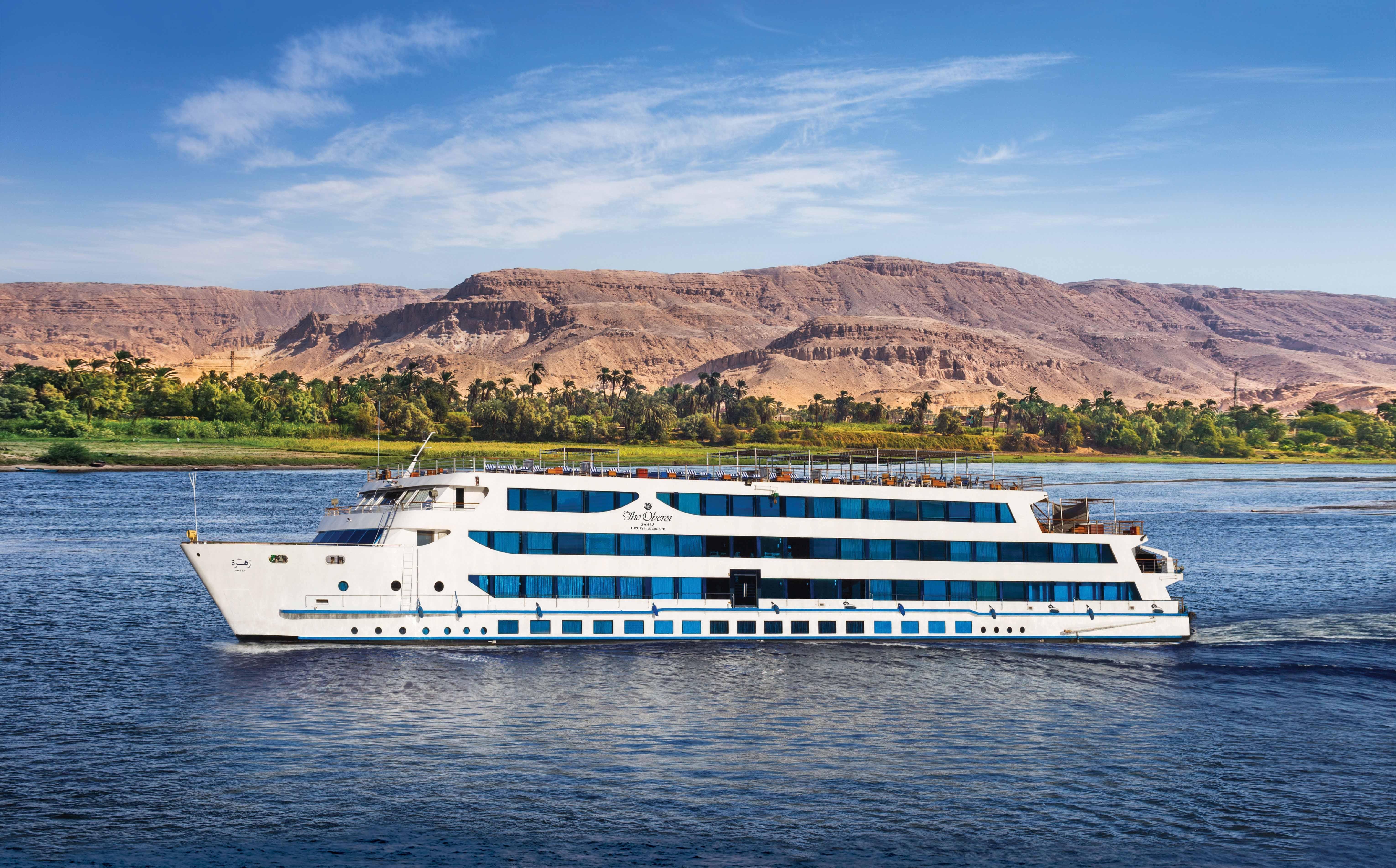
The 230-kilometre stretch between Luxor and Aswan holds the highest concentration of Pharaonic monuments along the Nile. British and French steamers pioneered commercial passenger service on this route in the 1870s, establishing a tradition that continues with modern cruise vessels navigating the same temple sequence. Today the river carries approximately 300 cruise ships, ranging from 40 to 180 cabins, each following itineraries shaped by temple opening hours and lock schedules at Esna. A nile cruise luxor to aswan typically departs southbound over three to five days, anchoring at Edfu to visit the Ptolemaic temple of Horus, then Kom Ombo for its dual sanctuary dedicated to Sobek and Haroeris. The voyage concludes at Aswan, where the Philae temple complex occupies an island reached by motorboat. Northbound departures reverse the sequence, beginning at Aswan and concluding at Karnak. Most vessels include an Egyptologist guide, buffet dining, and sundeck space for watching feluccas tack across the current. The Nile between these cities averages 500 metres wide, constricting to 300 metres at granite outcrops near Gebel el-Silsila, where ancient quarries supplied stone for temple construction. Dahabiya sailing boats, limited to 10 cabins, offer slower passage with overnight mooring at smaller sites inaccessible to larger ships. Standard vessels complete the one-way journey in 72 hours of sailing time, spread across four days to accommodate temple visits that require three to four hours ashore. Cabin categories range from fixed-window lower-deck rooms to suites with private balconies on upper decks. Pricing reflects vessel age, cabin size, and included excursions. Some itineraries add Abu Simbel by road convoy or hot-air balloon flights over Luxor's west bank necropolis. The river's navigability remains consistent year-round, though summer temperatures above 40°C shift most bookings to October through April. Locks at Esna create predictable delays of one to three hours, during which passengers typically remain aboard.
"The 230-kilometre stretch between Luxor and Aswan holds the highest concentration of Pharaonic monuments along the Nile."
A step-by-step walkthrough of the visit — what you'll see, how long each stage takes, and the details that matter.
You board at Luxor's east-bank quay in late afternoon, porters transferring luggage to your cabin while the sun angles across Karnak's pylons two kilometres north. The vessel casts off before dinner, engines threading the channel past moored feluccas and the occasional barge hauling sugarcane downstream. By morning you've cleared the Esna lock and the limestone cliffs of Gebel el-Silsila rise on both banks. Edfu appears mid-morning, the sandstone temple of Horus visible from the sundeck before the ship moors. You disembark into horse-drawn carriages for the 10-minute ride through town, then spend two hours walking the hypostyle hall and outer courts with your guide. Back aboard, lunch is served as the ship continues south. Kom Ombo temple sits on a river bend, its twin entrances lit by late-afternoon sun during your visit. You photograph crocodile mummies in the small museum before reboarding. Aswan's granite islands come into view on the final morning. You take a motorboat to Philae, crossing open water to reach the temple complex relocated to Agilkia Island. The voyage concludes at Aswan's corniche, where taxis wait to transfer you onward or extend your stay among the Nubian villages and Aga Khan mausoleum visible from the water.
Most itineraries last 3 to 4 nights to cover the major highlights between the two cities.
Cruise vessels operate 24 hours a day for travel, with monuments accessible between 08:00 and 18:00.
Yes, booking early is recommended for high season (October–April) to secure preferred cabins.
Casual is fine on board, but modest dress covering knees and shoulders is required for temple visits.
Yes, many ships cater to families with pools and specific programming for younger guests.
Pack high-SPF sunscreen, wide-brim hats, light linen clothing, and comfortable walking shoes for temple sites.
Photography is generally allowed at monuments, though some tomb interiors restrict it. Check with your guide.
October to April is the optimal window for comfortable temperatures and clear views.
Policies depend on your specific operator; please review the terms provided at the time of booking.
Yes, standard cruises are full-board, though alcohol and specific soft drinks may incur extra charges.